
As blockchain applications become more complex, one of the biggest bottlenecks in Web3 is no longer just execution—it is data. Developers need reliable indexing, fast analytics, real-time monitoring, and scalable infrastructure to build products that can actually serve users in production. That is where Sentio is starting to stand out.
Sentio presents itself as a crypto data and developer platform built for modern blockchain use cases. Rather than focusing on a single narrow tool, it combines multiple layers of developer infrastructure into one stack, including indexing, analytics, alerting, debugging, simulation, and code intelligence. In simple terms, it is designed to help teams build faster and understand on-chain activity more clearly.
That broader positioning matters because Web3 applications are becoming more data-intensive. Protocol teams, wallets, trading tools, bots, and analytics products all rely on clean, timely, and flexible blockchain data. As the industry matures, infrastructure projects that reduce the burden of “building the plumbing” can become essential pieces of the ecosystem.
For users and traders following the next wave of crypto infrastructure trends, staying informed is critical. You can monitor the latest market movements on Tapbit Price, explore opportunities through Tapbit, create an account at Tapbit Register, or sign in through Tapbit Login.
What Sentio Is Building Today
At its core, Sentio is built around the idea that developers need more than raw blockchain data. They need a system that helps them collect, process, monitor, and act on that data efficiently. Instead of piecing together multiple disconnected tools, Sentio is pushing a more integrated workflow for crypto app development.
This is one reason the platform has gained attention. A fragmented tooling environment slows development, increases operational overhead, and makes scaling harder. A full-stack approach can simplify that process by bringing core observability and analytics functions together in one place.
For builders, this means less time spent managing infrastructure and more time focused on product logic, user experience, and growth. For the broader market, it reflects an important shift: crypto infrastructure is becoming more productized, more developer-friendly, and more operationally mature.
Why the “Decentralized Data and Compute Network” Angle Matters
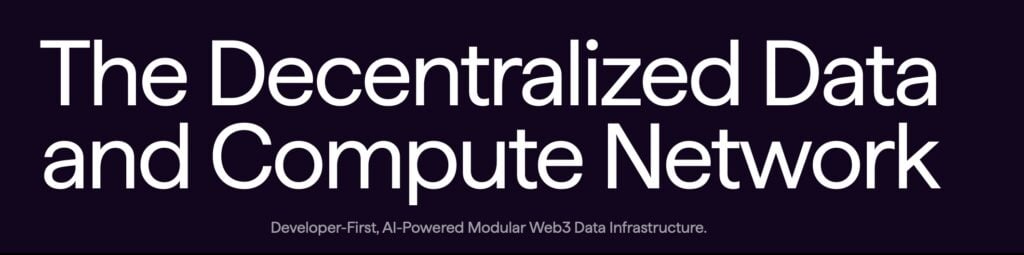
What makes Sentio especially interesting is not only what it offers today, but the direction it says it is heading. According to its roadmap, Sentio aims to evolve into a decentralized data and compute network that is open, verifiable, and community-owned.
That vision is significant because blockchain applications increasingly depend on off-chain infrastructure layers for indexing, analytics, and execution support. If those layers remain fully centralized, then part of the Web3 stack still depends on trusted intermediaries. A decentralized data and compute layer aims to reduce that dependence.
In other words, this narrative is about bringing blockchain principles deeper into infrastructure itself. Instead of decentralization ending at settlement, projects like Sentio are pointing toward a future where the supporting data and compute layers also become more trust-minimized and transparent.
Why Web3 Needs Better Data Infrastructure
Blockchain data is abundant, but it is not always easy to use. Raw on-chain records are often difficult to query efficiently, expensive to process at scale, and not always structured in ways that are friendly for application development. As a result, many teams spend significant time building custom pipelines just to answer simple product questions.
That challenge becomes even larger when applications need:
- real-time monitoring for protocol activity,
- analytics dashboards for growth and retention,
- alerting for critical on-chain events,
- debugging and simulation tools for transactions,
- and multi-chain visibility across different ecosystems.
As the number of chains, applications, and on-chain users grows, the value of efficient crypto data infrastructure also grows. This is why data tooling is becoming a bigger competitive layer in Web3, not just a background utility.
What Makes the Sentio Narrative Compelling
The strongest part of the Sentio story is that it sits at the intersection of several important crypto trends at once: developer tooling, multi-chain growth, observability, and the decentralization of infrastructure. It is not simply another dashboard product or another data API. It is part of a broader push to make crypto app development faster, more scalable, and eventually more trust-minimized.
That makes the category appealing for several reasons:
- It addresses a real pain point for builders who need reliable on-chain data.
- It supports the growing demand for better analytics and observability in Web3.
- It aligns with the long-term industry trend toward decentralizing more of the stack.
- It has relevance across many sectors, including DeFi, wallets, trading tools, and on-chain apps.
In short, the opportunity here is not only about data access. It is about making blockchain development feel more production-ready.
The Trade-Off: Infrastructure Still Has Execution Risk
As with any infrastructure project, the vision is compelling—but execution still matters. A platform can have strong positioning and a valuable problem to solve, yet still face challenges in adoption, performance, decentralization design, and ecosystem growth.
For networks moving from a more centralized platform model toward a decentralized runtime, important questions remain:
- Can the decentralized system maintain strong performance at scale?
- Will developers find it easy to migrate and build on the new model?
- Can data verification and compute assignment be implemented efficiently?
- Will the community and node operator base grow fast enough to support the network?
These are normal questions for any emerging infrastructure layer. They do not invalidate the opportunity, but they do remind users and investors that strong narratives still need strong execution.
What This Means for the Broader Crypto Market
Infrastructure trends often matter long before they become mainstream headlines. Projects focused on data, analytics, and compute may not always attract the same immediate attention as memecoins or high-volatility assets, but they can become foundational to the next generation of Web3 products.
That is why this category is worth watching. If decentralized applications continue to expand, then demand for better data access, debugging, simulation, and observability will likely expand as well. Over time, the market may reward projects that make building in crypto easier, faster, and more dependable.
For traders, that means infrastructure is not just a background theme—it can also be an investment and narrative theme in its own right.
What Tapbit Users Can Learn from This Trend
For Tapbit users, the main takeaway is not simply whether Sentio succeeds or fails. The more important insight is that crypto is entering a phase where infrastructure quality is becoming a bigger driver of long-term value. Data pipelines, observability layers, and compute networks may shape the next generation of decentralized applications just as much as token launches do.
That is why it helps to stay informed on both market action and emerging infrastructure narratives. On Tapbit Price, users can track live crypto market movement and watch for new trends. On Tapbit, traders can stay connected to the broader digital asset market while following important ecosystem developments.
If you are new to the platform, you can get started via Tapbit Register. Existing users can return through Tapbit Login.
Final Thoughts
Sentio reflects a broader shift in crypto: the industry is moving beyond simply launching tokens and protocols, and toward building more complete infrastructure for real products and real users. Better data, better compute, and better observability are becoming core building blocks for scalable Web3 applications.
If that trend continues, decentralized data and compute networks could become one of the most important infrastructure narratives of the next cycle. Whether Sentio becomes a major player will depend on execution, adoption, and how effectively it turns platform momentum into a decentralized network. But the underlying theme is already clear: in Web3, better infrastructure can unlock the next wave of growth.
Explore the market on Tapbit and stay on top of live price action through Tapbit Price.
Disclaimer: This article is for informational purposes only and does not constitute investment advice. Cryptocurrency markets involve risk. Always do your own research before making financial decisions.